
Your Journey to a Beautifully Healed Piercing Starts With The Right Care
A piercing is a bold expression about you and your personality, but carefully following piercing aftercare instructions is necessary to attain a quick and thorough healing process. If not properly maintained, you could develop an infection or other complications, such as delayed healing and scarring. Follow these professional piercing aftercare instructions for a smooth healing, infection-free, and stress-free result.
Piercing Aftercare Basics: What You Must Know
Piercing care is needed to ensure your piercing heals healthily and has a long life. Though every piercing is unique, healing is best achieved through decreasing the possibility of infection, irritation, or rejection. Redness, swelling, or soreness around the piercing are common for the initial weeks and will disappear when the piercing heals. Adhere to all piercing care to prevent issues and encourage optimal healing. Maintaining proper hygiene practices is vital for successfully healing a piercing. To prevent bacterial contamination, always wash your hands before you touch your piercing. Maintain your piercing jewelry in place throughout the complete healing period. Accelerate piercing healing by avoiding harsh chemicals, since these substances increase irritation. Instead, wash the area with a saline or after piercing solution from your piercing aftercare studio. By following the best aftercare practices for piercings, your piercing will heal quickly and will be in first-class condition.
Proper Cleaning Techniques for Safe Healing
The secret to a healthy piercing lies in good cleaning. Clean the piercing twice a day to avoid infection and allow healing. An aftercare piercing solution can be bought or made at home by dissolving non-iodized sea salt into warm distilled water. To ensure proper healing of piercings, use sterilized aftercare solutions, which prevent irritation. Harsh chemicals like hydrogen peroxide and alcohol cause irritation that disrupts healing. To clean your piercing area, apply sterile gauze or a cotton swab to sanitize the area delicately.
Tips for Flawless Piercing Aftercare
There are specific tips that experts at our piercers suggest to follow to recover your piercing faster. For the first time, always ensure you wash your hands thoroughly before sanitizing your piercing. It cannot be removed too soon since it might close up or irritate your piercing. Keep your piercing free from creams, lotions, makeup, and hair products because they can also cause irritation. Avoid touching your piercing excessively as this can encourage or prolong swelling. At night, do not sleep placing pressure on the piercing, and ensure that all pillowcases and bedding are cleaned regularly to avoid introducing bacterias to your piercing.
Piercing Aftercare Solutions
USE:
Saline Solution : The best piercing cleansing solution for quick and safe piercing cleansing.
Non-Iodized Sea Salt Solution : Mix 1/8 to 1/4 teaspoon of non-iodized sea salt with 8 oz of warm distilled water. This is a great and safe homemade piercing cleaning solution.
DO NOT USE:
Hydrogen peroxide will kill the bacteria, yes, but also destroy normal cells around your piercing, thus inhibiting the healing process. Rubbing alcohol dehydrates the tissue near your piercing and may even provoke it. Do not use astringent products such as glyoxide as they irritate the healing tissue.
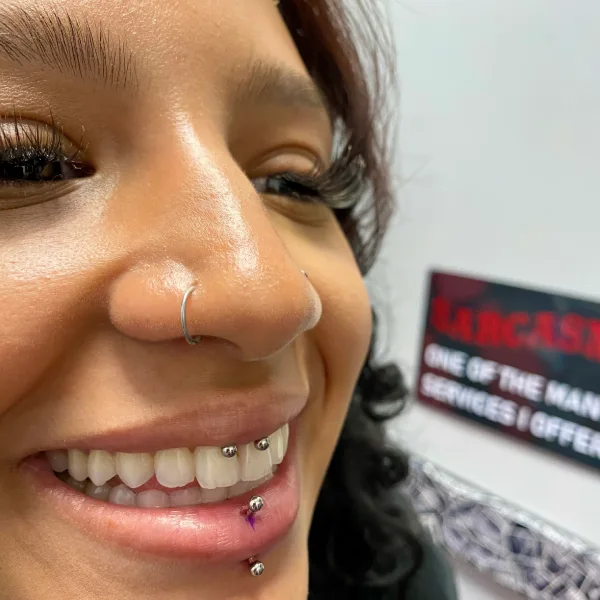
Do’s and Don’ts for Piercing Aftercare
When your piercing is in the healing process, avoid touching it. The following are some piercing aftercare precautions to observe:
- Never remove jewelry until your piercing fully heals, unless directed by your piercer or a medical professional. Jewelry removal makes the piercing close or become infected.
- Never allow direct exposure of harsh chemicals, creams, or lotions on your piercing since they irritate it.
- Avoid actions exposing your piercing to bacteria, and try to abstain from extreme physical activity that causes too much sweating.
- Avoid tight clothing that can cause irritation to that area.
Do’s and Don’ts for Piercing Aftercare
- Do not twist or turn the jewelry while washing the piercing with gentle pressure. This can cause over-irritation or injury to the pierced area.
- Too much handling of the piercing will pass on bacteria and allow your piercing to get infected.
- Observe for any signs of infection. If they arise, consult a professional piercer or health care provider immediately.
- Avoid oversleeping your piercing, especially during the initial healing time.
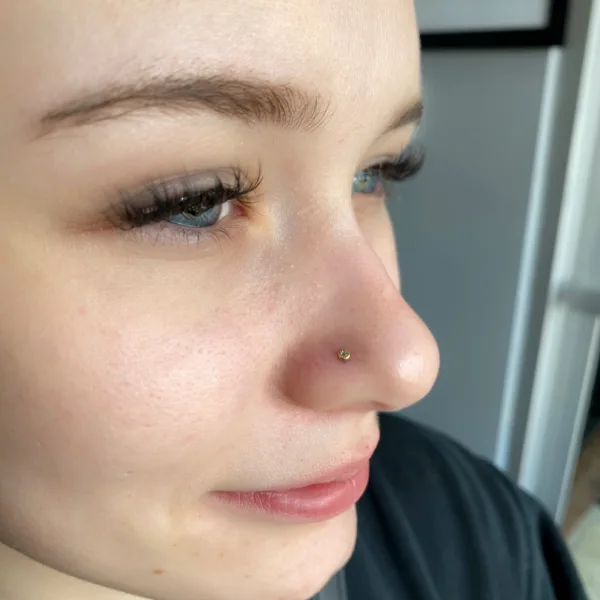
Aftercare Tips by Piercing Location
Lobes and Helix Piercings
- When it comes to lobe piercing aftercare, hair gels, sprays, or mousse products may irritate the piercing. Try not to come in contact with the piercing and these products.
- Sleep with a travel pillow to avoid putting pressure on the piercing.
- Use a soft shower head pressure to clean out the piercing without irritating it.
Navel Piercings
- Avoid wearing tight clothing that can irritate the piercing by rubbing against it, when it comes to navel piercing aftercare.
- Showers are better than baths for the first few weeks. You want to avoid any scenarios where your piercing is exposed to water for extended periods of time.
- Never apply body lotions, perfumes, or other chemicals to the piercing. The same applies to belly piercing aftercare.
Advanced Ear Piercings
- Avoid wearing headphones that put pressure on the region for the helix and other ear piercings aftercare.
- Sleep with a travel pillow to avoid placing pressure on the piercing.
- Use gentle water pressure from your showerhead to cleanse the piercing region.
Nipple Piercings
- Do not apply any body lotion or moisturizer to the nipple piercing itself.
- Use soft or loose clothing to avoid irritation on the piercing.
- The area must be adequately washed and left to dry.
Frequently Asked Questions
How do I clean my new piercing?
Clean your piercing twice daily with saline solution or warm non-iodized sea salt solution. Moisten the area using a clean cotton tip.
What should I use to clean my piercing?
Use either a warm salt solution made from non-iodized sea salt or a saline solution prepared with distilled water.
Can I use alcohol or hydrogen peroxide to clean it?
Avoid using harsh chemicals such as alcohol or hydrogen peroxide because they lead to irritation.
Can I use saline spray or do I need to soak the piercing?
Either one is fine, but saline soaking proves to be more effective at removing debris from your piercing.
Can I touch or twist the jewelry?
Avoid touching or bending the jewelry to avoid irritation and infection. Clean it using clean hands only.
How long does it take to heal?
Healing time differs; most piercings heal between 6-12 weeks, while others, such as belly piercings, heal within a few months.
What should I avoid while healing?
Avoid touching your piercing with unwashed hands, with strong chemicals, and with materials that chafe and infect.
Is some redness or swelling normal?
A little redness and swelling are to be expected in the first few days. If they do not go away, seek professional guidance.
When can I change my jewelry?
Your piercing should heal fully before you take any action, which can take 6-12 weeks or longer, based on where it is located.
What should I do if I think it’s infected?
If you notice signs of infection, including pain or pus and unusual redness, seek medical advice, but keep the jewelry in place until directed to do otherwise.
Can I sleep on my new piercing?
Don’t nap on the piercing, particularly on the healing side. Use a travel pillow so that you don’t get apply pressure.
Can I work out after getting a piercing?
You can exercise, but don’t swim and go in for intense sweating until you’ve healed.
Is the crust around my piercing normal?
Yes, there will be a little crust, which is to be expected. Clean it lightly with the saline solution, but don’t poke at it.
Do all piercings have the same aftercare routine?
The aftercare process remains consistent across all piercings yet body location-specific piercings such as eyebrow piercing aftercare or belly button piercing aftercare require additional precautions.
Should I cover my piercing while it heals?
Avoid covering your piercing since it creates an environment to trap bacteria and moisture.
Allow it to breathe unless protection is required in certain situations.